WOYPOW Blog

Battery Guides & Industry News

Practical advice on LiFePO4 storage, off-grid sizing, BMS technology, shipping requirements and OEM/ODM customization — written by our engineers.

Home StorageBuying GuideTechnologyShippingOEM / ODM
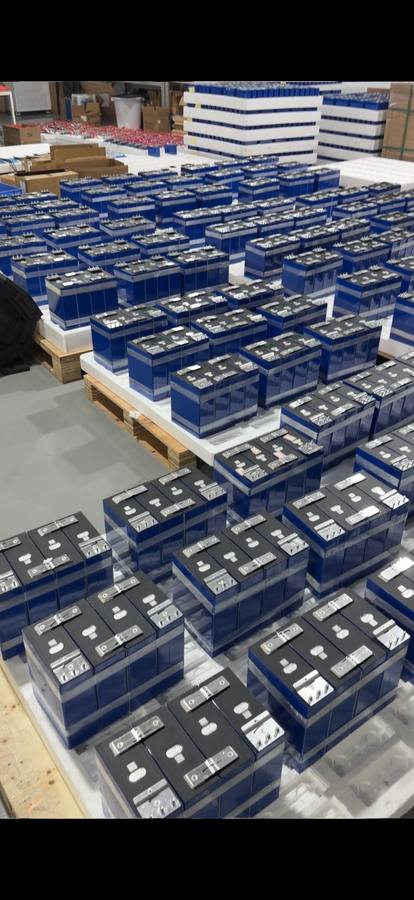
LiFePO4 cell storage trays
Buying GuideAug 05, 20268 min

Off-Grid Solar: How to Size Your Battery Bank Correctly

A simple calculation method that works for cabins, farms and remote sites.

Read article

1. Daily energy use — sum appliance watt-hours per day (3–5 kWh cabin, 10–20 kWh family home). 2. Days of autonomy — 2–3 cloudy days is a sensible balance. 3. Efficiency & DOD — divide by ~0.85 system efficiency and 0.8–0.9 usable DOD for LiFePO4. 4. Voltage — above ~3 kWh, 48V is the practical standard. 5. Expansion — pick a parallel-capable platform so you can grow later.

Unsure? Send us your appliance list and location — we will size a system for free.

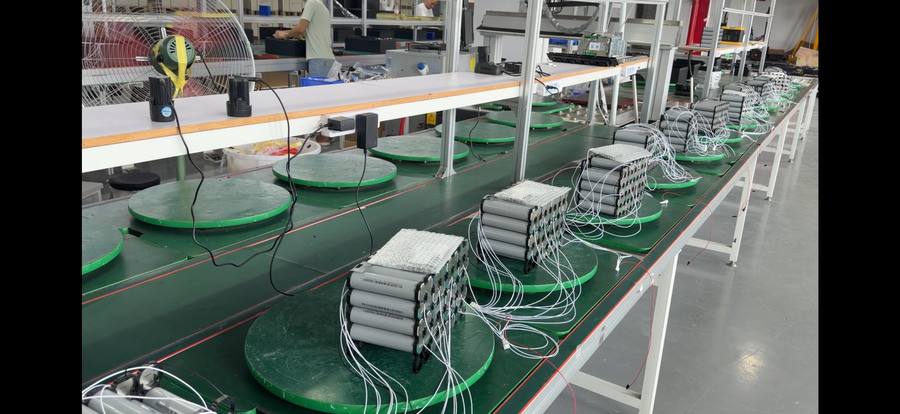
BMS assembly and wiring
TechnologyJul 22, 20265 min

What Does the BMS Actually Do? (And Why It Matters)

A short plain-language explanation of balancing, protection and communication.

Read article

Balancing. The BMS keeps cell voltages even, so the pack uses full capacity instead of being limited by its weakest cell. Protection. It disconnects on over-voltage, over-discharge, short circuit or extreme temperature. State estimation. Accurate SOC/SOH numbers for your inverter and app. Communication. CAN, RS485 or RS232 protocol matching — one of the most common OEM requests we handle.

With WOYPOW, BMS parameters are configured to your inverter before shipment.

Export packing and pallets
ShippingJul 10, 20267 min

UN38.3 & Shipping Lithium Batteries: What Exporters Must Know

The tests, documents and packing requirements that keep shipments moving through customs.

Read article

UN38.3 is the baseline — altitude, thermal, vibration, shock, short circuit, impact and forced discharge tests. Documents — test report, MSDS and transport certificate per mode. SOC limits — commonly 30% for air freight. Packaging — UN-certified outer boxes, terminal short-circuit protection and hazard labels.

Always ask for the UN38.3 report, MSDS and transport certificate in advance. We provide the full document package with every order.

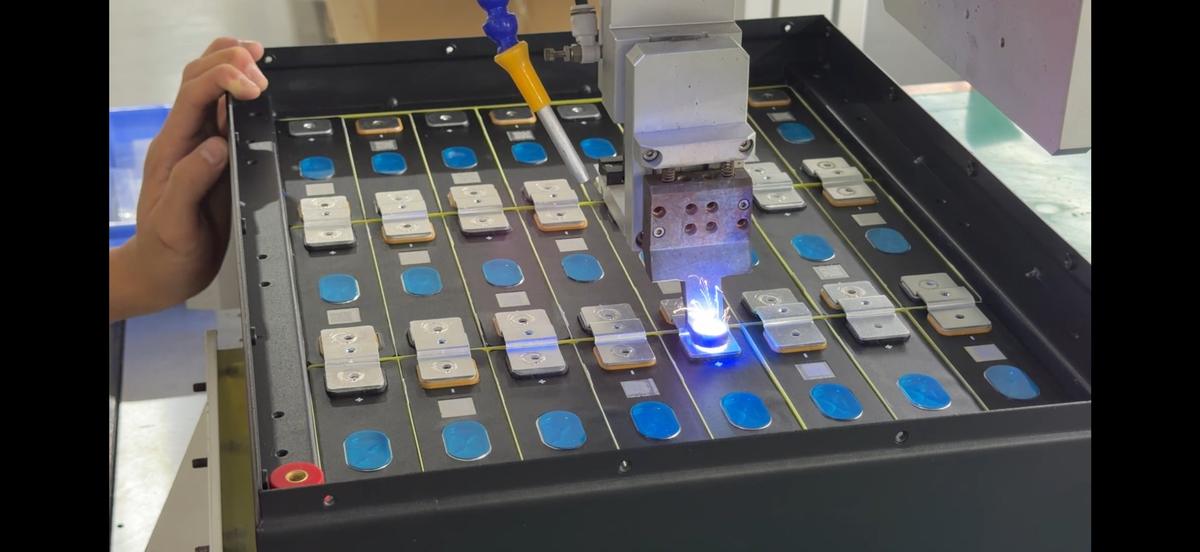
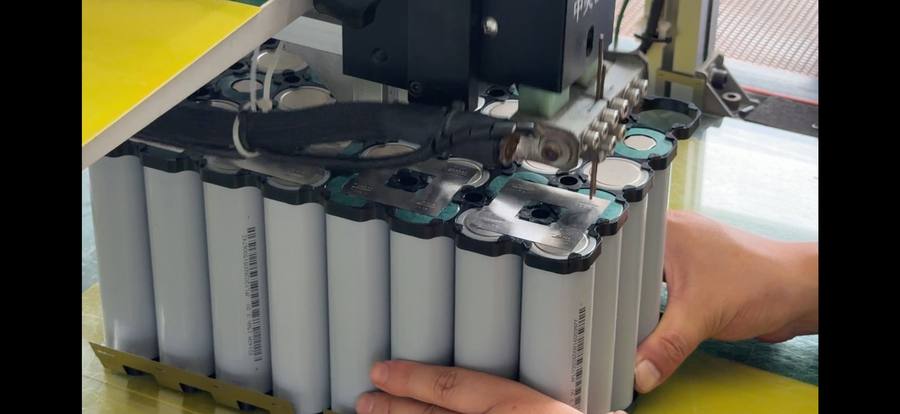
Laser welding line
OEM / ODMJun 28, 20265 min

OEM vs. ODM: Customizing Your Battery Brand

Logo printing is only the start — from BMS parameters to casing, packaging and documents.

Read article

OEM — your brand on an established platform: logo, label, casing, BMS parameters, packaging and documents. ODM — we design around your spec: voltage, capacity, shape, connectors, performance targets, then prototype and mass produce.

Customizable: capacity, voltage, BMS/protocol matching, casing, display, labeling, packaging and the full document set under your brand. Tell us your market and quantity — we will recommend the fastest route.

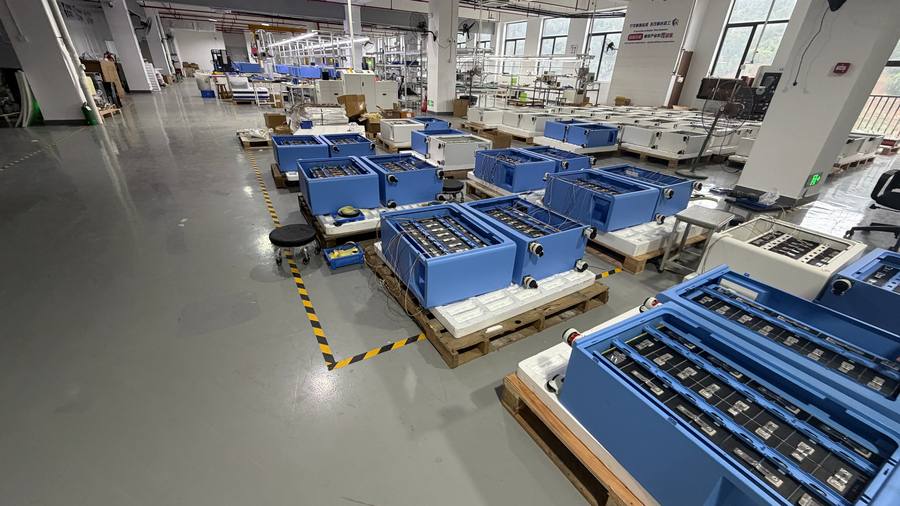
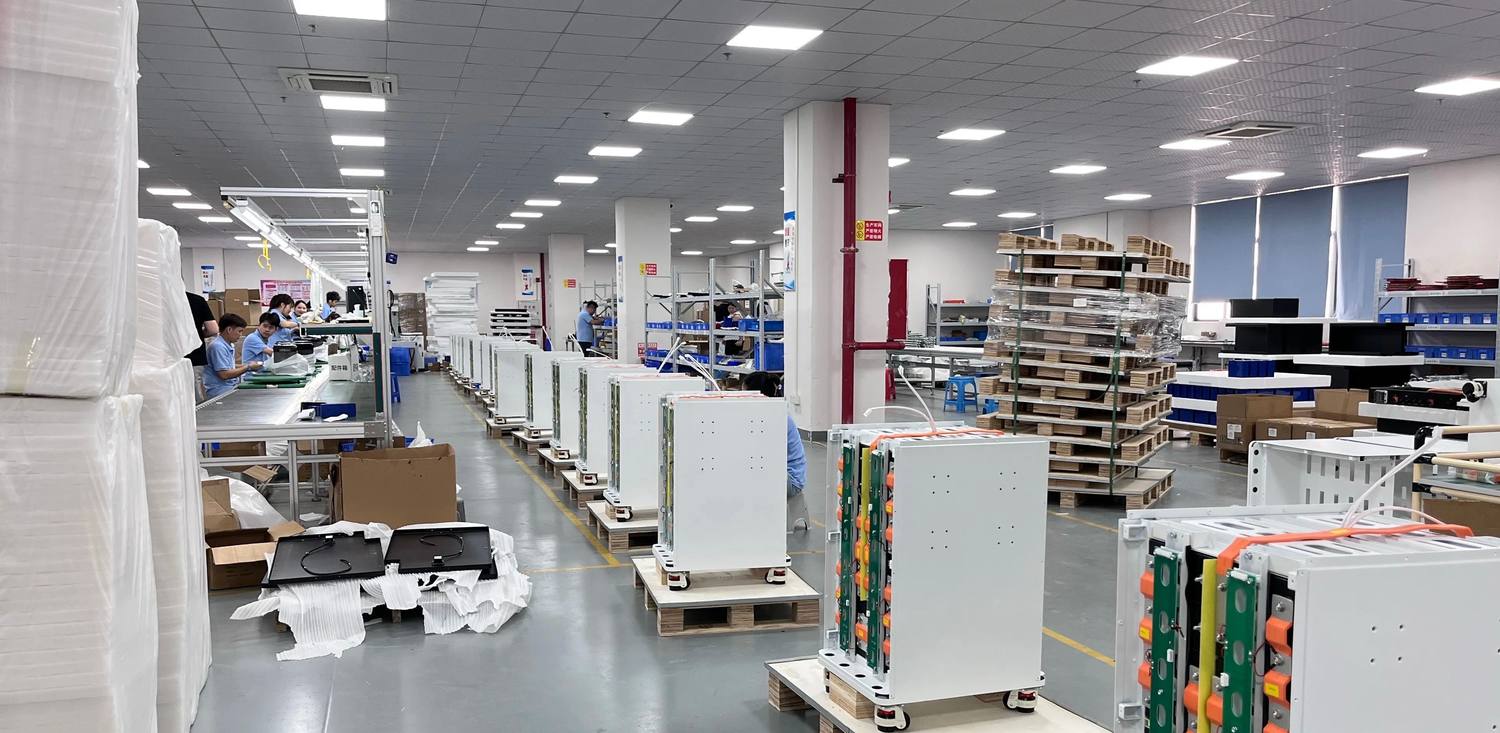
Battery assembly workshop
Buying GuideJun 15, 20269 min

Home Solar + Storage: A Practical Buying Guide

Battery capacity, inverter compatibility, certifications and lead time — the checklist we use with every customer.

Read article

1. Start from your inverter (voltage range and protocol). 2. Size for daily cycling — 5–10 kWh wall battery covers a small-to-medium home. 3. Check the expansion path. 4. Verify certifications for your market before ordering. 5. Confirm lead time and engineering support — a real factory ships standard wall batteries in 15–25 days.

Send us your inverter model and daily usage — we will match a battery within 24 hours.

Have a Question About Your Setup?

Our engineers answer battery sizing and compatibility questions every day — free, no obligation.

Ask an Engineer